Beginner's Guide to Choosing Crops for a Market Garden
Choosing crops for a market garden is a different exercise from filling a home plot. At home, a bed of radishes that feeds you for three weeks is a triumph. At market, that same bed has to earn its keep — it takes ground, water, and your Saturday morning. The reassuring part is that the crops which sell well and the crops which forgive beginners overlap far more than most people expect. You only need to be honest about your climate, your customers, and how much space you really have.
Start With Your Market, Not the Seed Catalogue
Before you order a single packet of seed, spend a few weeks learning what people around you already buy. Visit the farmers' markets within reasonable driving distance and watch which stalls sell out first. Stallholders are often happy to say which crops they have stopped bothering with, and why. Ask local chefs what they struggle to source consistently. A restaurant running a salad-heavy menu may value a steady supply of washed baby leaves far above an unusual heirloom pepper.
Think about who your buyer is, too. A vegetable box scheme makes different demands from a restaurant account. Box members want variety and a decent volume of familiar staples. A chef wants the same crop, the same size, on the same day each week. That difference alone should reshape your crop list before you sow anything.
Match Crops to Your Climate, Not Your Wish List
Pin down three facts about your site: your last spring frost date, your first autumn frost, and how hot and humid your summers tend to get. Those three numbers eliminate half the seed catalogue immediately. Cool, damp coastal sites grow exceptional salad, spinach, and brassicas but fight to ripen tomatoes and peppers. Hot inland sites do the opposite, and often struggle with lettuce bolting in June.
Then look at the ground itself. Deep, free-draining loam will grow carrots and parsnips that look good enough to sell. Heavy clay will not, at least not in your first season, so put it under potatoes, chard, or squash while you build it up. Sandy soil dries out fast and suits early roots, but needs regular compost and irrigation.
Walk the site at different times of day. A south-facing slope may give you two extra weeks of harvest at each end of the season. A hollow at the bottom of the field will collect cold air and give you the first frost in the neighbourhood. Those small differences matter more than the regional weather map.
Work Out Value per Bed, Not per Acre
Beginners often judge crops by price per kilo and forget time and space. What you actually want is return per square metre per week of occupancy. Salad leaves might leave the bed after four weeks and come back into production; winter squash holds the same ground for four months. Both can be profitable, but they need completely different plans.
Score every candidate crop against a short list of questions:
- How much does one harvest from a bed sell for at my outlet?
- How many crops can I take from that bed in one season?
- How many hours of harvesting, washing, and packing does it need?
- How reliable is it here without heated tunnels or special equipment?
- Does it hold well after harvest, or must it be sold within days?
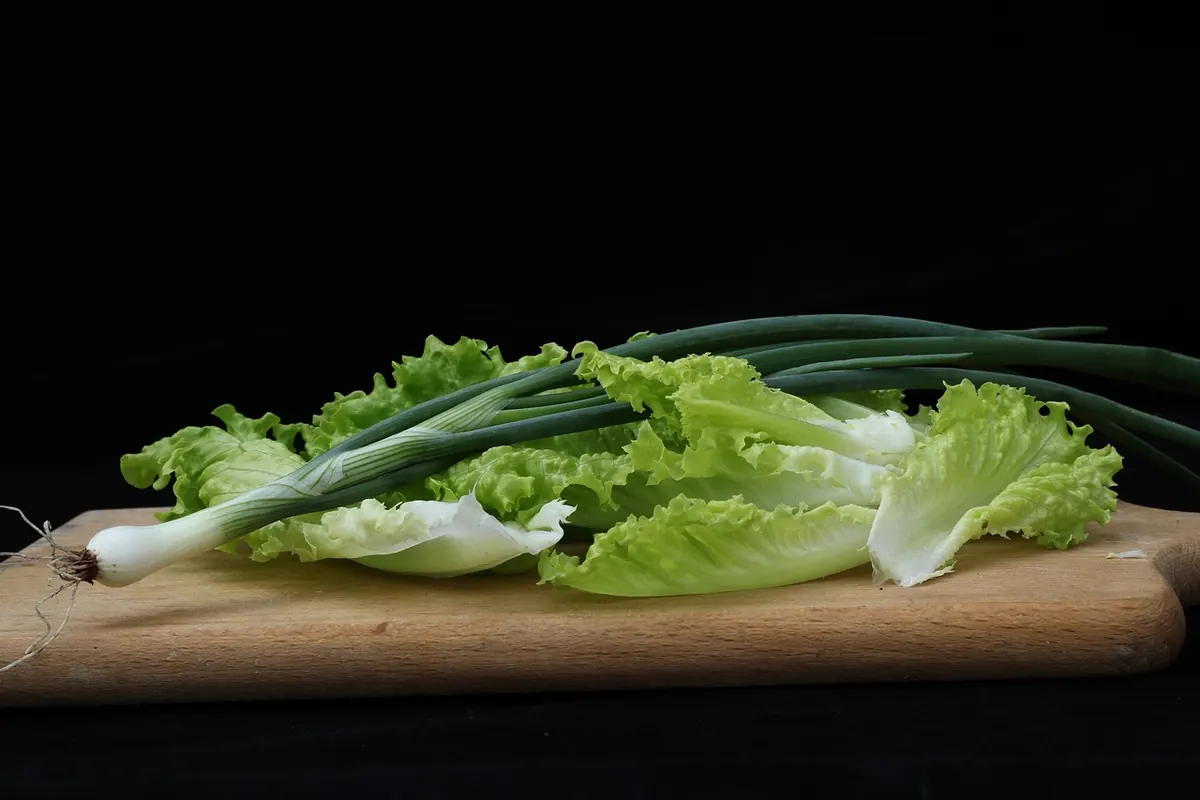
Crops scoring well on all five tend to be the ones that pay the bills: salad mixes, herbs, spring onions, radishes, baby roots, cherry tomatoes, and snap peas. Crops scoring badly — pumpkins, maincrop potatoes, sweetcorn, dry beans — still have a place, but keep them small until the rest of the business is stable.
A Realistic Shortlist for a First Season
Crops that forgive mistakes
- Cut-and-come-again salad leaves, sown in small batches
- Radishes and spring onions, ready in less than a month
- Kale, chard, and perpetual spinach, which crop for months
- Herbs: parsley, coriander, basil, mint
- Bush beans and sugar snap peas
- Garlic and overwintering onions, planted once and forgotten
- Cherry tomatoes, which sell more easily than large slicers
Crops worth postponing
Cauliflower, celery, fennel, and headed lettuce demand precise timing and consistent water. If they fail, they fail completely, often the week you needed the income. Grow them later, when you know your soil, your irrigation, and your market.
Plant Small, Sow Often
New growers tend to plant too much of too few things. A better habit is to sow little and often. A few metres of salad every ten days will give you a steady supply from spring to autumn, and you will never face a glut you cannot sell. If you have space, a tunnel extends the salad and herb season at both ends, which is usually the fastest way to increase revenue without more land.
As a rough rule, never plant more of a crop than you can harvest, wash, and sell within a week. Succession sowing keeps you honest and spreads the risk of a bad germination or a pest attack.
Keep Records You Will Actually Use
One season of your own notes beats any advice column. For each planting, write down the variety, sowing date, harvest date, and roughly how many crates or bunches you cut. Add a line about what sold out and what came home again. By the end of the year you will know which crops deserve more space and which ones were costing you money.
A Simple First-Year Approach
Pick eight to twelve crops, spread across three groups: fast salad and roots, steady leafy greens and herbs, and a few fruiting crops for summer variety. Plant each in modest blocks rather than one big gamble, and sell them the same week you cut them. Expect the first year to be a learning season rather than a profitable one, and budget accordingly.
If you plan to sell to the public, check your local rules on food hygiene, labelling, and insurance, and take proper advice before you commit to a market stall. Then get seed in the ground. Crop choices improve quickly once you are watching real customers walk past a real table.
Photo: gate74 / Pixabay

A Beginner's Guide to Soil Testing for Vegetable Gardens
Learn how to take a representative soil sample, read a lab report without panic, and amend your beds in...

No-Till vs. Tillage in Market Gardening: Pros and Cons
A practical comparison of no-till and tillage for market gardeners, covering soil health, weed pressure,...