How to Start a Market Garden on a Small Plot: A Beginner's Guide
Half an acre sounds generous until you try to weed it. Market gardening works on a simple idea: grow a lot of valuable crops on a small area, keep the soil in good heart, and sell everything fresh and close to home. You do not need a tractor, a tunnel the length of a tennis court, or years of experience behind you. You need a plan, water you can rely on, and the discipline to start smaller than you would like.
Start With the Market, Not the Seed Catalogue
Before you order a single packet of seed, decide who is going to buy the produce. The answer shapes everything else. A Saturday farmers' market sets your whole week: harvest on Friday, pack on Friday evening, sell on Saturday morning. That rules out crops that wilt overnight or need picking twice a day. A standing order for salad leaves from two local restaurants is a different business entirely — steady, unglamorous, and much easier to plan around.
Talk to two or three potential customers before your first season. Ask what they struggle to find, what they buy in bulk, and what days they take deliveries. Then write a short crop list. Twenty to twenty-five crops is plenty for a beginner; fifty is a museum, not a business.
Read the Plot Before You Dig It
Spend a week watching the ground you intend to use. Most vegetables want at least six hours of direct sun in midsummer, so note where the shadows fall at nine in the morning and at four in the afternoon. Check the water supply: where the tap is, how the pressure feels when you run two hoses, and whether you can lay drip lines permanently along the beds. Water is the one input you cannot improvise in July.
Then look at access. Can a van or a loaded wheelbarrow reach the far corner? Is there a flat spot for a wash station, a bench and a shade cloth? Is the site frosty in spring, windy, or boggy at the bottom? Dig a spade's depth in three or four places and look at what comes up — roots, stones, colour, smell. Couch grass, bindweed and docks tell you how much weed pressure you are inheriting.
One practical note before you commit: rules on selling produce, on-farm signage and water use vary by area. A quick call to your local authority or agricultural extension service will save a lot of guesswork.
Feed the Soil Before You Plant Anything
Soil is the engine of a small plot, because you cannot make up for poor soil with more land. Spend your first months collecting organic matter. Municipal compost, well-rotted horse manure, spent mushroom compost, your own leaf mould — all of it helps. Ask any manure supplier whether the pasture was treated with persistent herbicides, as residues can damage tomatoes and beans for years.
Where the ground is bare, sow a cover crop rather than leaving it exposed. Field peas and oats in autumn, buckwheat or vetch in summer, and you are building structure while you plan. Spread compost on top instead of digging it in deeply. A broadfork or a light fork to relieve compaction, plus a layer of compost, is enough for most new beds.
Lay Out Beds and Paths Once, Properly
Permanent beds are the single biggest labour-saving decision you will make. A common size is 75 cm (about 30 inches) of growing width with a 30 to 45 cm path between beds — narrow enough that you can reach the middle from either side without stepping on the soil. Run the beds east to west if you can, along the contour if the ground slopes, and leave a wider headland at each end so a wheelbarrow can turn.
Paths should be permanent: mown grass, woodchip, or gravel. Beds should never be walked on, which means everything happens from the path. Put the water line down the middle of the plot before you plant, not after, and give yourself a small holding area near the entrance for crates, tools and harvested produce.
Grow Crops That Earn Their Space
On limited land, every square metre has to justify itself. Favour crops that sell well, mature quickly, or can be cut repeatedly from the same plant. A useful starting list:
- Salad leaves and baby greens, cut and left to regrow
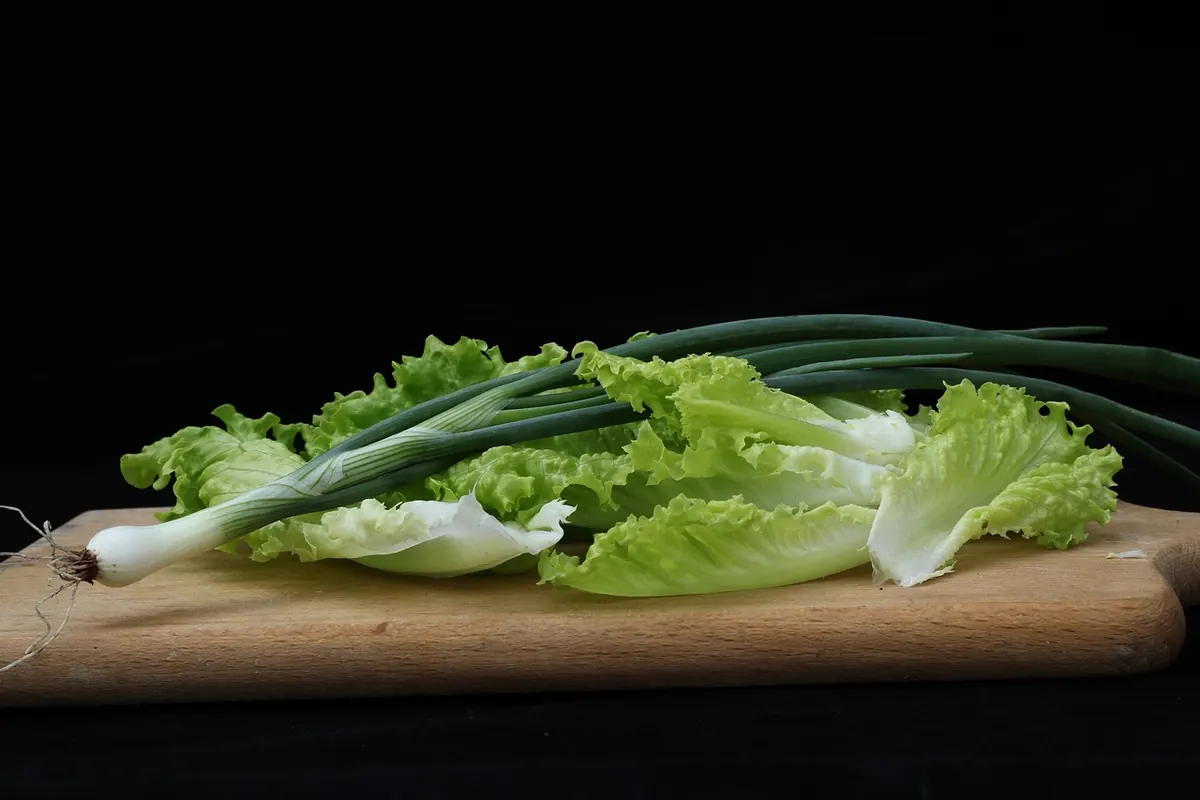
- Radishes, spring onions, turnips and other fast roots
- Herbs — basil, parsley, coriander, dill
- Garlic and early potatoes, which use the ground before summer crops need it
- Cherry tomatoes, cucumbers and peppers, ideally under cover
- Kale, chard and spinach for long, reliable harvests
- Cut flowers such as sweet peas, zinnias and dahlias
Sow in succession — a small bed of salad every two to three weeks rather than one enormous sowing — so your supply stays even and nothing bolts before you can sell it. Sweetcorn, pumpkins and large winter brassicas take a lot of room for a long time; grow a little, and only if you know you can sell it.
Sow, Water and Write It Down
Raise what transplants well in modules or soil blocks and set it out into clean beds; direct-sow carrots, radishes and salad. Keep a hoe moving while weeds are the size of a match head, and mulch paths and around plants to hold moisture. Drip irrigation on a timer is worth the cost, because hand-watering a market garden quickly becomes a full-time job.
The most valuable tool on the plot is a notebook. Record what you sowed, when, in which bed, and what it yielded. Note what sold out and what went home unsold. After one season you will have a record no book can give you, and your second year will be twice as sharp.
Your First Season, Step by Step
Resist the urge to plant everything at once. A manageable first year looks like this:
- Prepare and plant a quarter of your plot, and cover-crop the rest.
- Grow a short list of reliable crops you already know how to sell.
- Set up water and a simple wash-and-pack area before the heat arrives.
- Harvest, sell, and write down what happened every week.
- Expand into the next quarter only when the first one feels routine.
Scaling a market garden is not about buying more land. It is about getting faster and more accurate at the same set of tasks on ground you already understand. Do that, and a small plot will quietly out-earn a large one that nobody had time to weed.
Photo: 3844328 / Pixabay

A Beginner's Guide to Soil Testing for Vegetable Gardens
Learn how to take a representative soil sample, read a lab report without panic, and amend your beds in...

No-Till vs. Tillage in Market Gardening: Pros and Cons
A practical comparison of no-till and tillage for market gardeners, covering soil health, weed pressure,...