Understanding Crop Rotation for Market Gardens: A Simple Explainer
Every market garden has a rotation, even when nobody calls it that. It is the reason the kale went in at the far end this year, and the reason the carrots ended up by the gate. The trouble is that an accidental rotation drifts. A crop gets pushed into whatever bed is free in June, tomatoes run in the same ground three years running, and by late summer something is wilting in a patch you had already written off. You tell yourself it is just a bad year, but the soil remembers.
Rotation is not about tidy diagrams. It is about keeping crop families apart, matching hungry crops to rich ground, and letting soilborne problems starve. On a plot where every bed has to pay its way, it is the cheapest improvement available: no equipment, no inputs, just a decision made in winter instead of a panic in spring. Get it roughly right and you will spend less on seed, less on sprays, and less time staring at a sickly row wondering what went wrong.
Why rotation earns its keep
Disease. Clubroot in brassicas, white rot in alliums, eelworm in potatoes — these live in the soil and stay there for years. Clubroot spores can remain viable for up to 20 years; white rot sclerotia for 15 or more. Every season you plant a susceptible crop in the same spot, the population multiplies. Move the crop and the cycle breaks. You are not curing the soil; you are buying time. On a market garden, that time is the difference between a crop and a write-off.
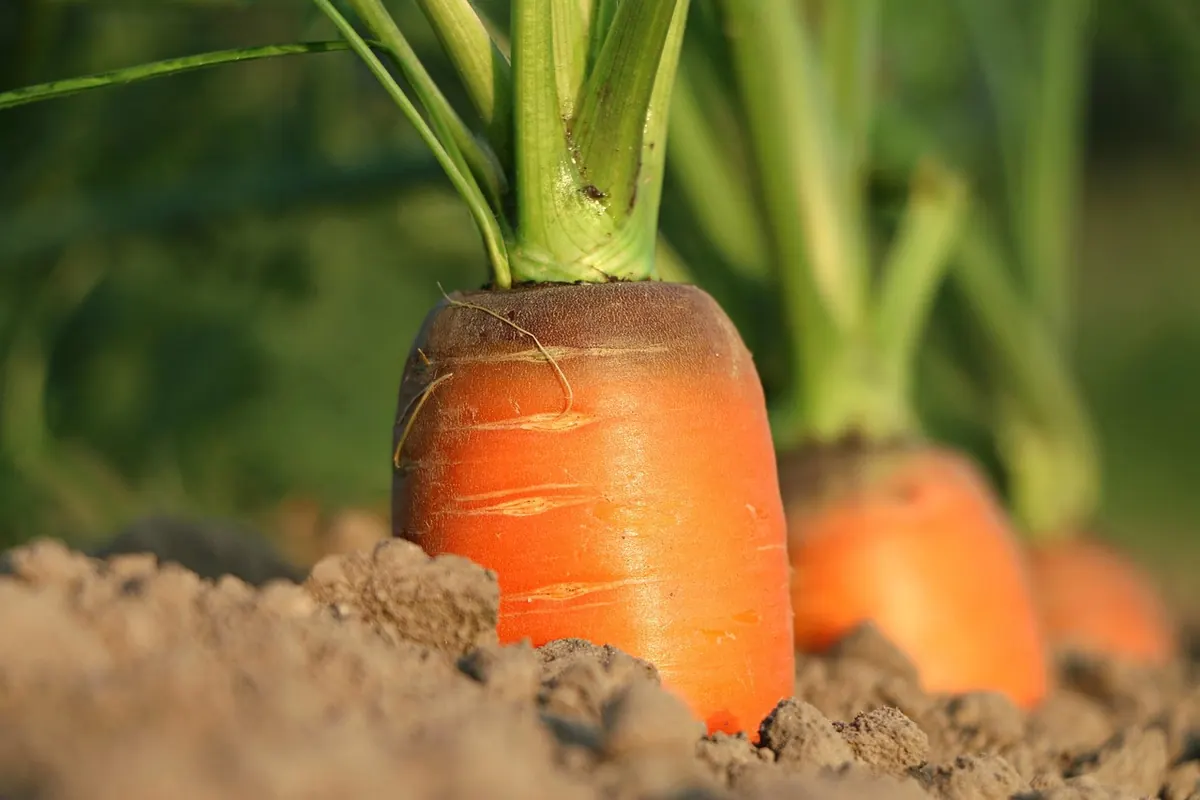
Pests. Carrot root fly, cabbage root fly and onion fly are all specialists. So are many nematodes. They overwinter in soil or crop debris and emerge looking for their host. Carrot fly travels low and follows the smell of carrots; if you plant carrots in the same bed each year, you are setting the table. Rotation will not remove them, but it puts distance between last year's residue and this year's planting. A bed that grew onions last year is a poor target for onion fly this year.
Fertility. Leafy crops and brassicas take nitrogen hard. Roots want very little. Legumes add it. Run heavy feeders through the same bed year after year without returning organic matter and you are mining the soil rather than farming it. A bed that grew hungry brassicas will be depleted; follow with peas or beans and they will give something back. Follow with carrots and they will fork and sulk in rich ground.
Weeds and structure. Squash and potatoes smother weeds; carrots and onions need clean ground and constant hoeing. Rotating shifts the weeding pattern, so the same weed species does not get a free run in the same bed every season. Deep-rooted crops also open up ground for the shallow ones that follow. A bed of parsnips or deep-rooted green manures breaks up a pan; next year's lettuce will thank you.
The families that do the work
Pests and diseases are usually specific to a plant family, so families are the unit you rotate. You do not need to memorise the Latin, but you do need to recognise relatives:
- Brassicas — cabbage, kale, broccoli, cauliflower, sprouts, radish, turnip, swede, rocket, mustards, bok choy.
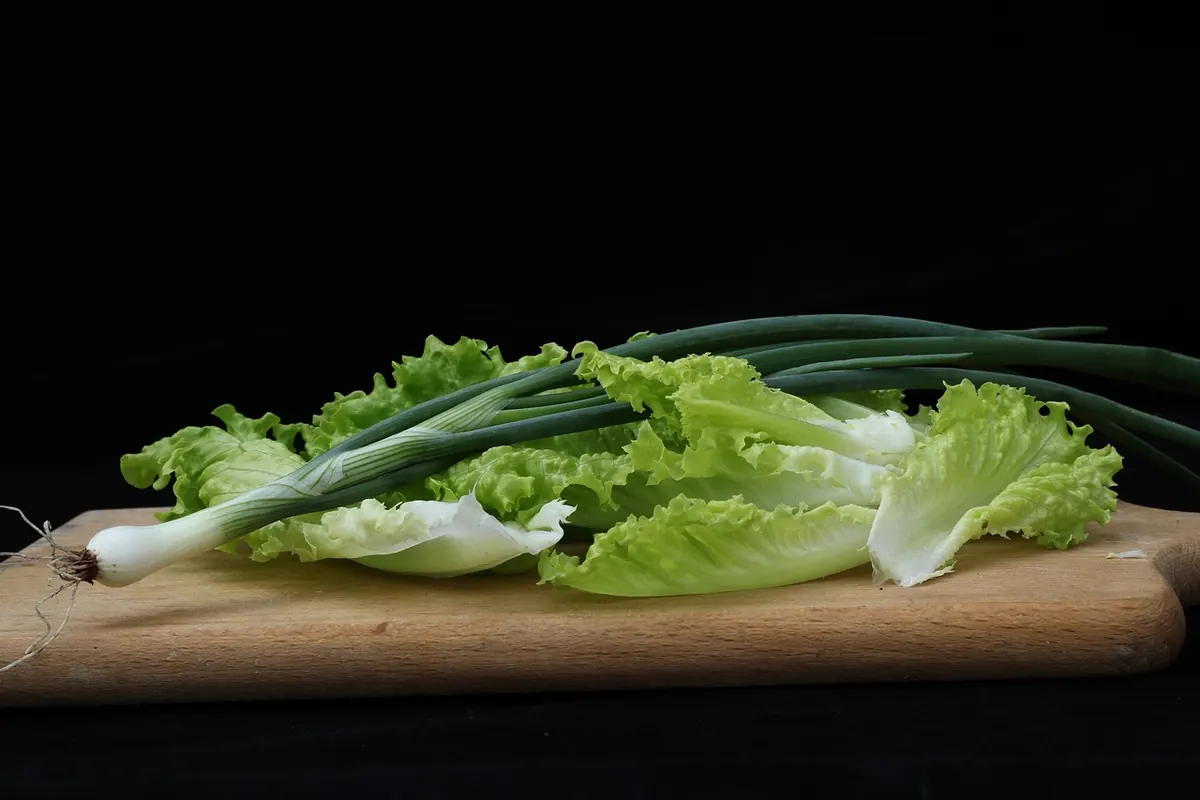
- Alliums — onions, garlic, leeks, shallots, chives.
- Solanaceae — tomatoes, potatoes, peppers, aubergines. Tomatoes and potatoes share problems, so keep them apart from each other as well as from last year's bed.
- Apiaceae — carrots, parsnips, celery, celeriac, parsley, coriander, dill, fennel.
- Asteraceae — lettuce, chicory, endive, globe artichoke, cardoon, sunflower.
- Amaranthaceae — beetroot, spinach, chard, quinoa, orache.
- Cucurbitaceae — squash, pumpkin, cucumber, melon, courgette, marrow.
- Fabaceae — peas, beans, clover, vetch, lupin, broad beans.
- Poaceae — sweetcorn, wheat, barley, oats, rye, millet.
Some growers split brassicas into leafy and root types, because clubroot affects both but root brassicas like swede and turnip are often grown with roots. The key is to keep the family together in one bed where possible.
The four-group rotation most market gardens use
Group 1: Legumes (peas, beans) and green manures. Group 2: Brassicas (cabbage, kale, broccoli, radish, turnip). Group 3: Roots and alliums (carrots, parsnips, beetroot, onions, garlic, leeks). Group 4: Potatoes and solanaceae (tomatoes, peppers, aubergines) plus cucurbits (squash, cucumbers). Then rotate the groups in order. This is a common four-year cycle. You can stretch it to eight years by splitting each group in two.
The best rotation is the one you actually follow. A perfect plan abandoned in June is worse than a simple plan you stick to.
How to build a rotation that survives a busy season
Start with a map of your beds. Number them, or name them after the gate, the hedge, the water trough. Then write down what grew in each bed last year. If you cannot remember, look at your photos or your sales records. The first year is the hardest because you have to reconstruct history. After that, it is a five-minute job each winter.
Keep the worst problems in mind. If you have clubroot, you need at least a four-year gap between brassicas, and ideally more. White rot means alliums need a long break — seven years is not excessive. These are not crops you can sneak back in because a bed is empty. The soil will punish you.
Allow flexibility. A rotation is a plan, not a prison. If a crop fails in June, do not force the next crop from the same group into that bed. Plant a green manure, or a quick salad crop from a different family. The point is to avoid repeating the same family in the same place. A bed that grows radishes for six weeks is still a brassica bed for rotation purposes.
Record everything. A notebook is fine. A whiteboard in the shed is better. A simple spreadsheet is best if you have multiple plots. Write down the date, the crop, the variety, and any disease you see. Next winter, that record is your rotation plan.
A simple four-year rotation for a market garden
- Year 1: Bed A — legumes and green manures. Bed B — brassicas. Bed C — roots and alliums. Bed D — potatoes, tomatoes, peppers, squash.
- Year 2: Move every group one bed along: Bed A — brassicas. Bed B — roots and alliums. Bed C — potatoes and solanaceae. Bed D — legumes and green manures.
- Year 3: Bed A — roots and alliums. Bed B — potatoes and solanaceae. Bed C — legumes and green manures. Bed D — brassicas.
- Year 4: Bed A — potatoes and solanaceae. Bed B — legumes and green manures. Bed C — brassicas. Bed D — roots and alliums.
This order works because legumes fix nitrogen, which the following brassicas love. Brassicas are heavy feeders, so they leave the soil a little poorer for the roots and alliums that follow. Potatoes and squash are bulky and can smother weeds, and they often get a dose of compost or manure, which benefits the legumes that come next. It is not perfect — no rotation is — but it keeps the worst enemies apart and gives every bed a different job each year.
Where rotation gets complicated
Perennials. Asparagus, rhubarb, berries, and fruit trees sit outside the rotation. They stay where they are. That is fine, but it means you have less flexible ground. Keep them in a permanent bed or along a boundary.
Greenhouses and polytunnels. Tomatoes, cucumbers, and peppers often grow in the same soil every year. Rotation is difficult under cover. Use fresh compost, grafted plants, or steam sterilization if you have the equipment. At the very least, remove crop debris and grow a green manure in the off-season.
Intercropping and undersowing. A row of radishes between carrots, or lettuce under sweetcorn, blurs the lines. That is okay. Just remember which family the main crop belongs to. The radishes are brassicas, so that bed is still a brassica bed for planning purposes.
Small plots. If you only have four beds, rotate what you can. Focus on the worst offenders: clubroot, white rot, eelworm. If you cannot give a full four-year gap, give as long as you can. A three-year gap is better than none.
No-dig and raised beds. Rotation still matters, but the soil is less disturbed. Disease spores may not move as deep, but they still persist. The same principles apply.
The winter planning habit
Rotation is a winter job. Sit down with a cup of tea, your bed map, and last year's notes. Draw the beds. Write the families in pencil. Move them around until the worst problems have a long gap. Then order your seed. When spring comes, you already know where everything goes. You will not be tempted to plant tomatoes in the same spot because that is where the irrigation is.
Make it a habit. Every year, add a note about what worked and what failed. The rotation gets easier. The soil gets healthier. The crops get better. And you stop wondering why the kale is wilting in a patch you had already written off.
Photo: klimkin / Pixabay

A Beginner's Guide to Soil Testing for Vegetable Gardens
Learn how to take a representative soil sample, read a lab report without panic, and amend your beds in...

No-Till vs. Tillage in Market Gardening: Pros and Cons
A practical comparison of no-till and tillage for market gardeners, covering soil health, weed pressure,...